
Rehabilitation and Recovery
Compression Boot Recovery: What Actually Happens

Aug
Compression boot therapy has become one of the most visible recovery tools around, but how much of what gets said about it actually holds up? Here’s an honest look at what compression boots do, what the research supports, and what to expect if you book a session.
What compression boots actually do
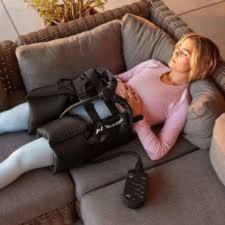
Compression boots (and the arm sleeve and hip attachments that go with them) use a technique called sequential pneumatic compression. Inflatable chambers around your legs, arms, or hips fill and release in a controlled sequence. Think of it as a wave-like pattern that moves from your feet upward, mimicking the way your muscles naturally pump fluid through your body when you move.
It’s a genuinely relaxing, massage-like experience. But what is it actually doing?
What the research says
Studies on intermittent pneumatic compression consistently show it can temporarily support blood flow and reduce how sore muscles feel after exercise. And a recent randomized trial found that a 30-minute session reduced perceived soreness. Compression therapy reliably offers a comfortable, low-effort recovery session that most people report feels genuinely good.
What clients typically notice
- A lighter, less heavy feeling in the legs (or arms) after the session
- Reduced tightness and stiffness following exercise
- A relaxing, massage-like sensation
- A convenient way to build recovery into a routine without much effort
Who it’s for
Athletes — after strength training, running, cycling, or field sports; between sessions or during competition travel, or any time your legs feel heavy from repeated effort.
Desk-based clients — after long periods of sitting, during demanding travel, or simply as a passive, relaxing break from the day.
Anyone in a structured rehabilitation programme — compression therapy can play a role here, If you’re working through a rehab plan with us, ask your practitioner how compression fits into it.
What to expect during a session
You’ll be fitted with the boots (and sleeves or hip attachment, if included), and pressure is adjusted to your comfort. Sessions typically run 15, 30 or 60 minutes, and you can stop or reduce the intensity at any time. This should never feel painful.
A quick safety note
Compression therapy isn’t right for everyone. Please speak to a healthcare professional before booking If you have a history or suspicion of blood clots, vascular disease, heart failure, diabetes-related nerve or circulation issues, recent surgery or injury, active skin conditions, or any condition affected by changes in circulation. Alert your practitioner and stop the session immediately if you experience pain, numbness, tingling, dizziness, unusual swelling, or skin discolouration.
The bottom line
Compression boot therapy is a comfortable, genuinely enjoyable recovery tool that can help you feel less heavy and stiff after exertion. It’s a solid addition to a broader recovery routine — alongside good sleep, hydration, and smart training.
Ready to try it? Book a compression boot session through the Itensity app — and if it’s your first booking with us, it’s 50% off.
